
OUR TOWN OPERA
Composed by Ned Rorem with Libretto by J. D. McClatchy
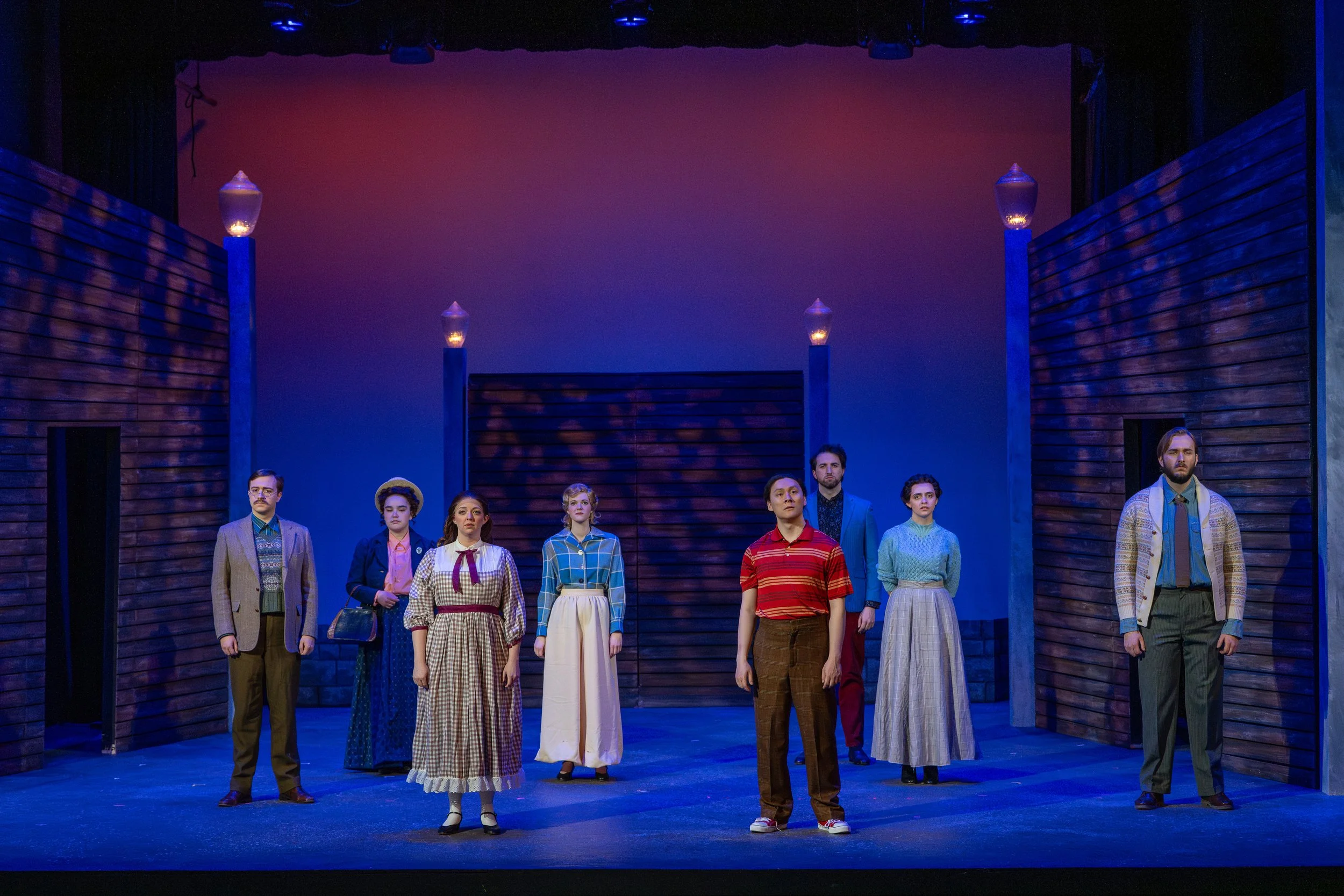
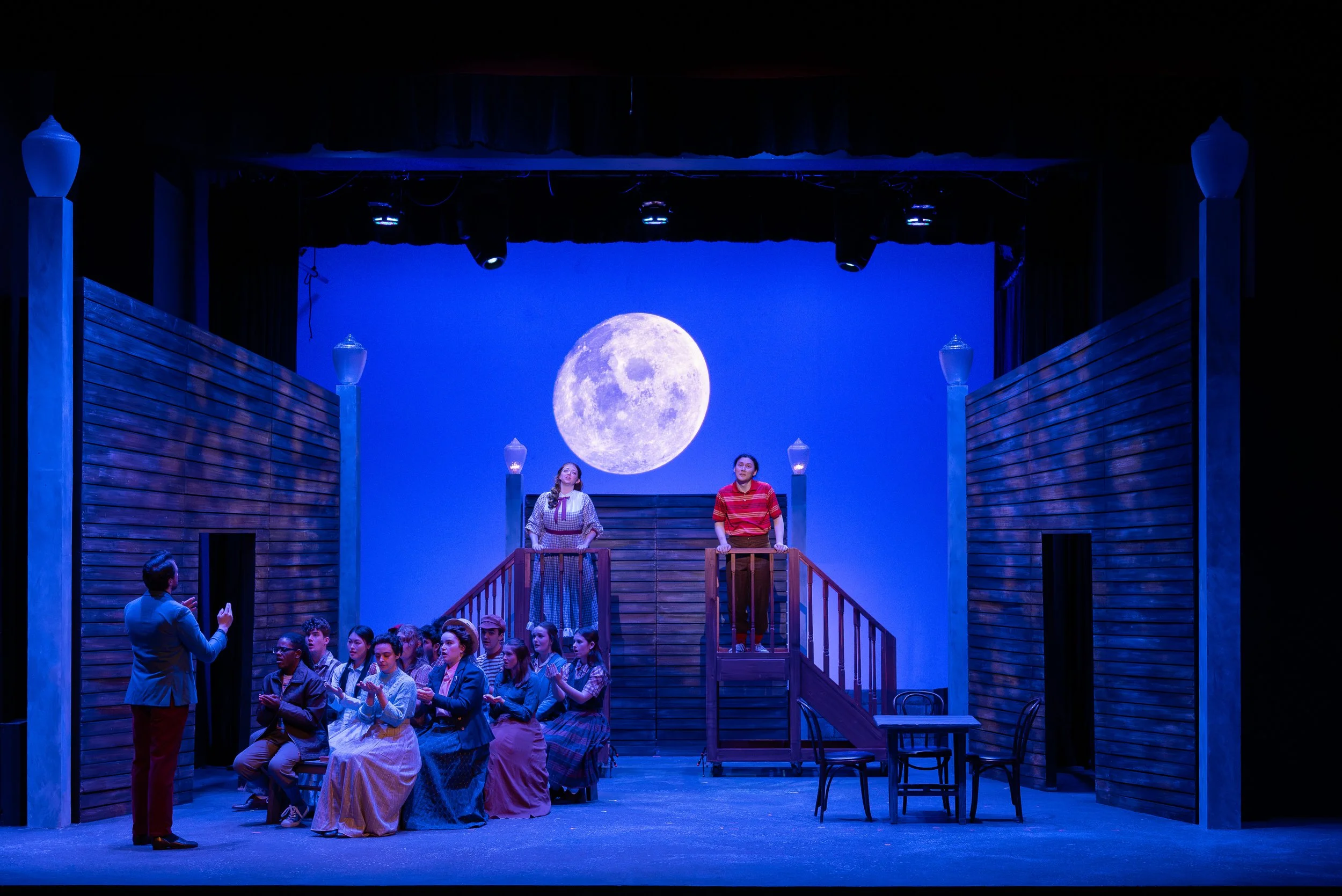
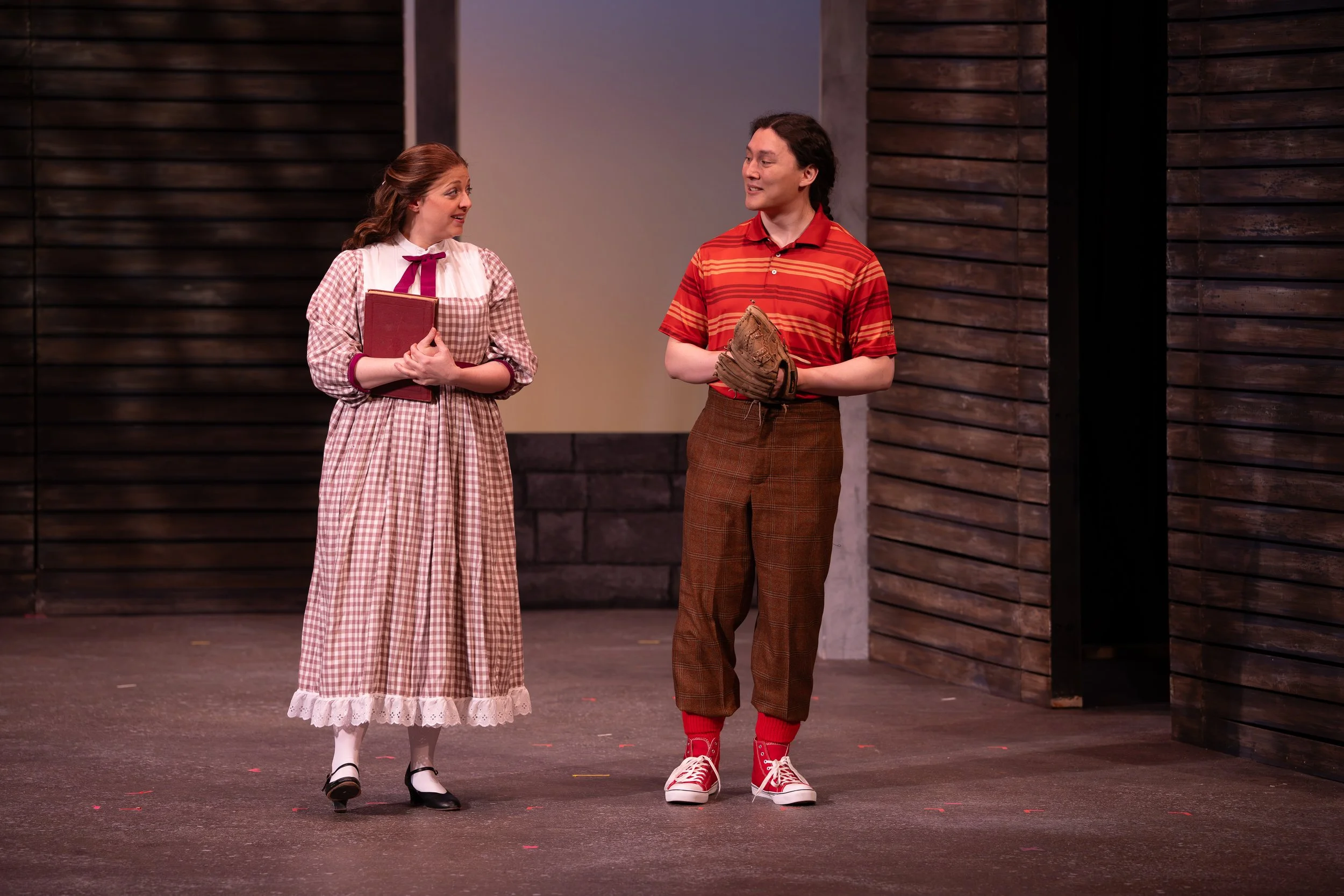
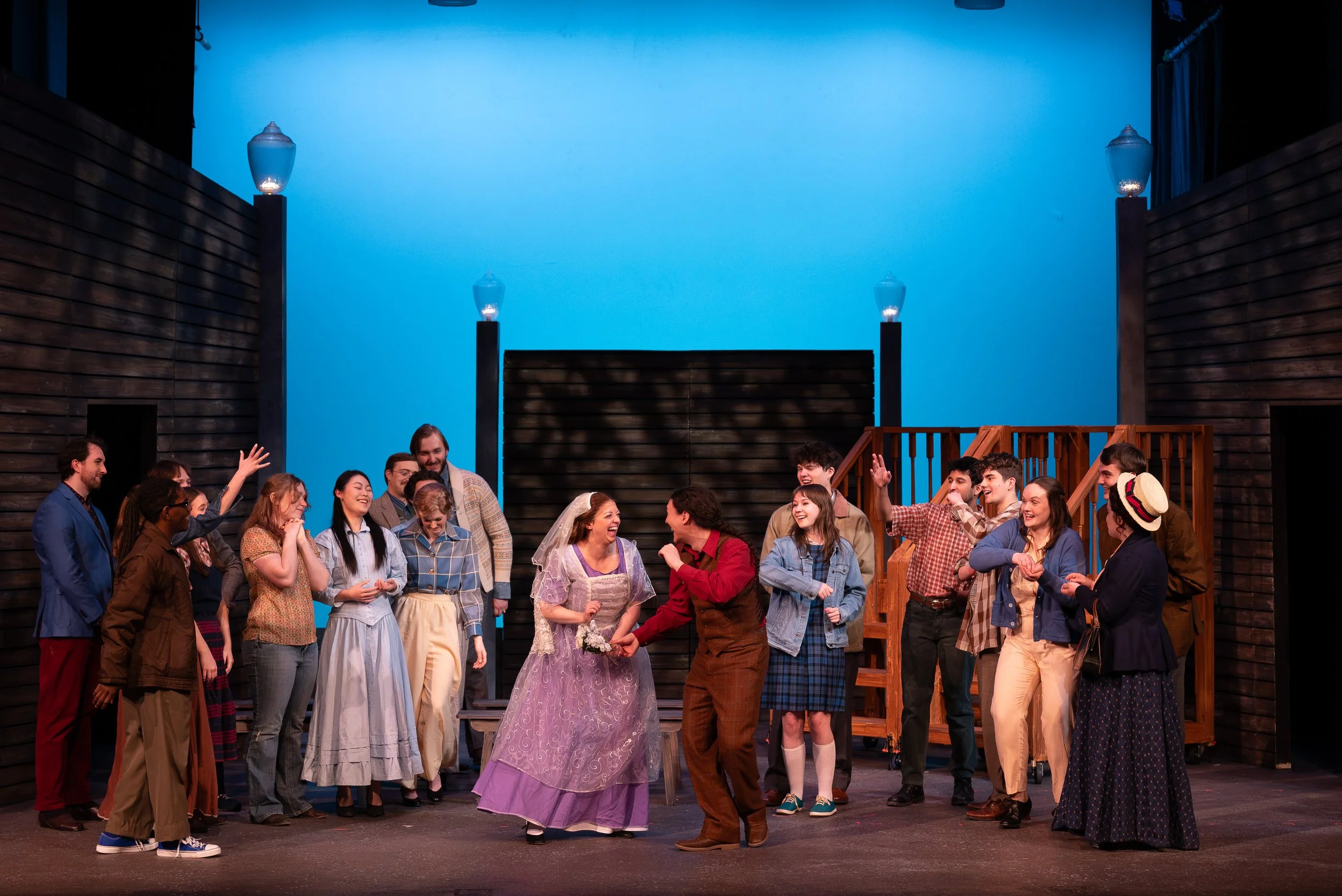
Our Town is a three-act opera by composer Ned Rorem and librettist J. D. McClatchy. It is the first opera to be adapted from the Thornton Wilder play of the same name. The opera was commissioned by Indiana University, Opera Boston, the Aspen Music Festival and School, North Carolina School of the Arts, Lake George Opera in Saratoga Springs, N.Y., and Festival Opera in Walnut Creek, Calif. The opera was premiered by Indiana University Opera Theater with student singers and orchestra on February 25, 2006 and received its professional debut at the Lake George Opera on July 1, 2006.
THE LONG CHRISTMAS DINNER OPERA
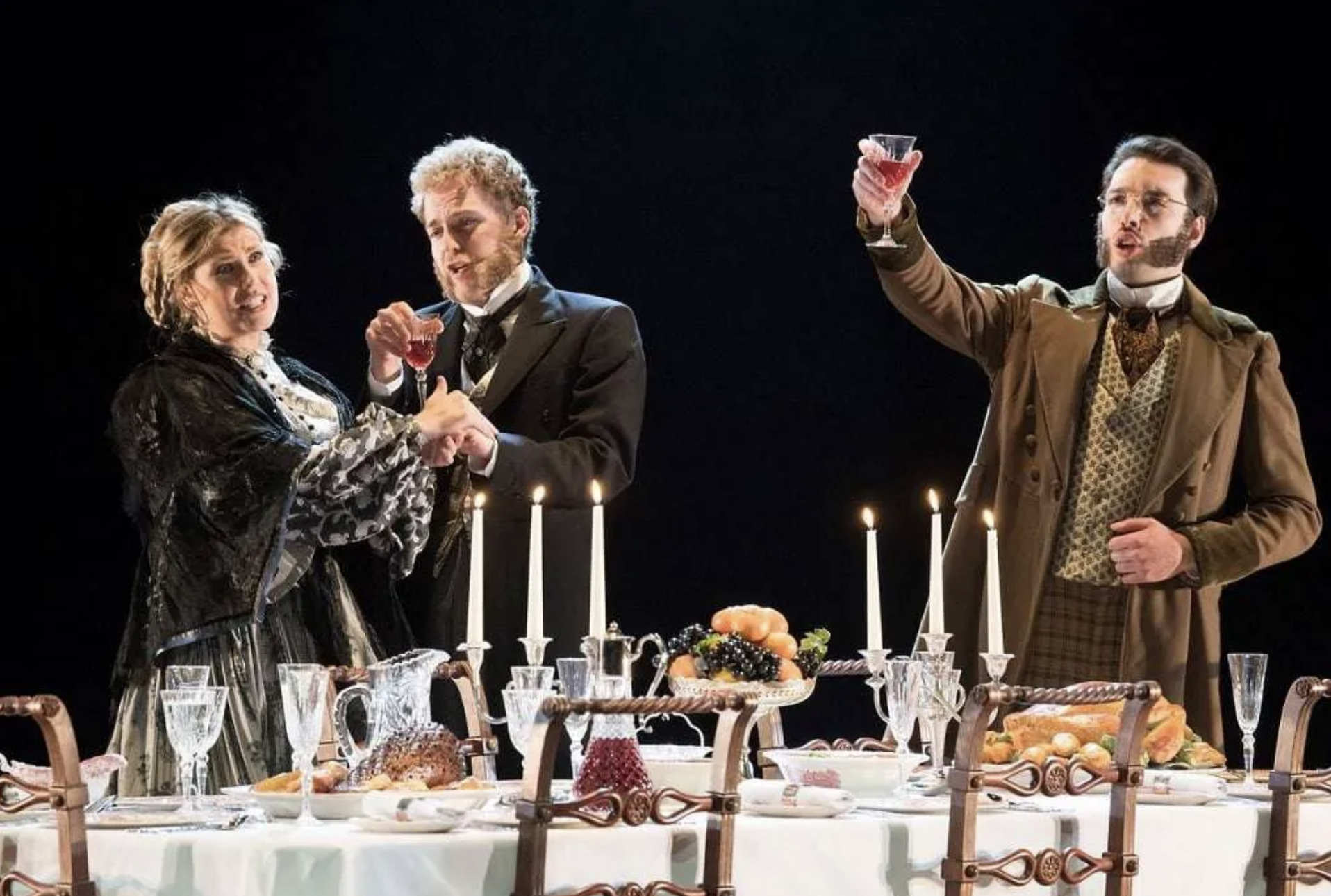
Composed by Paul Hindemith with Libretto by Thornton Wilder
Paul Hindemith commented in an interview: “I found this play in an S. Fischer edition “Einakter und Dreiminutenspiele” [one-act plays and three-minute dramas] by Thornton Wilder and was already greatly taken by it on the first reading. Wilder’s play in its original form was however unsuitable for a musical composition due to the time-related allusions and the realistically meticulous dialogue, so I wrote to Wilder asking him whether he would perhaps be able to produce a revised version of the work which would be suitable for an opera libretto.”
The opera’s world premiere took place on December 17, 1961, at the Nationaltheater Mannheim in Germany. It premiered in English at the Juilliard School of Music in 1963.
THE ALCESTIAD OPERA
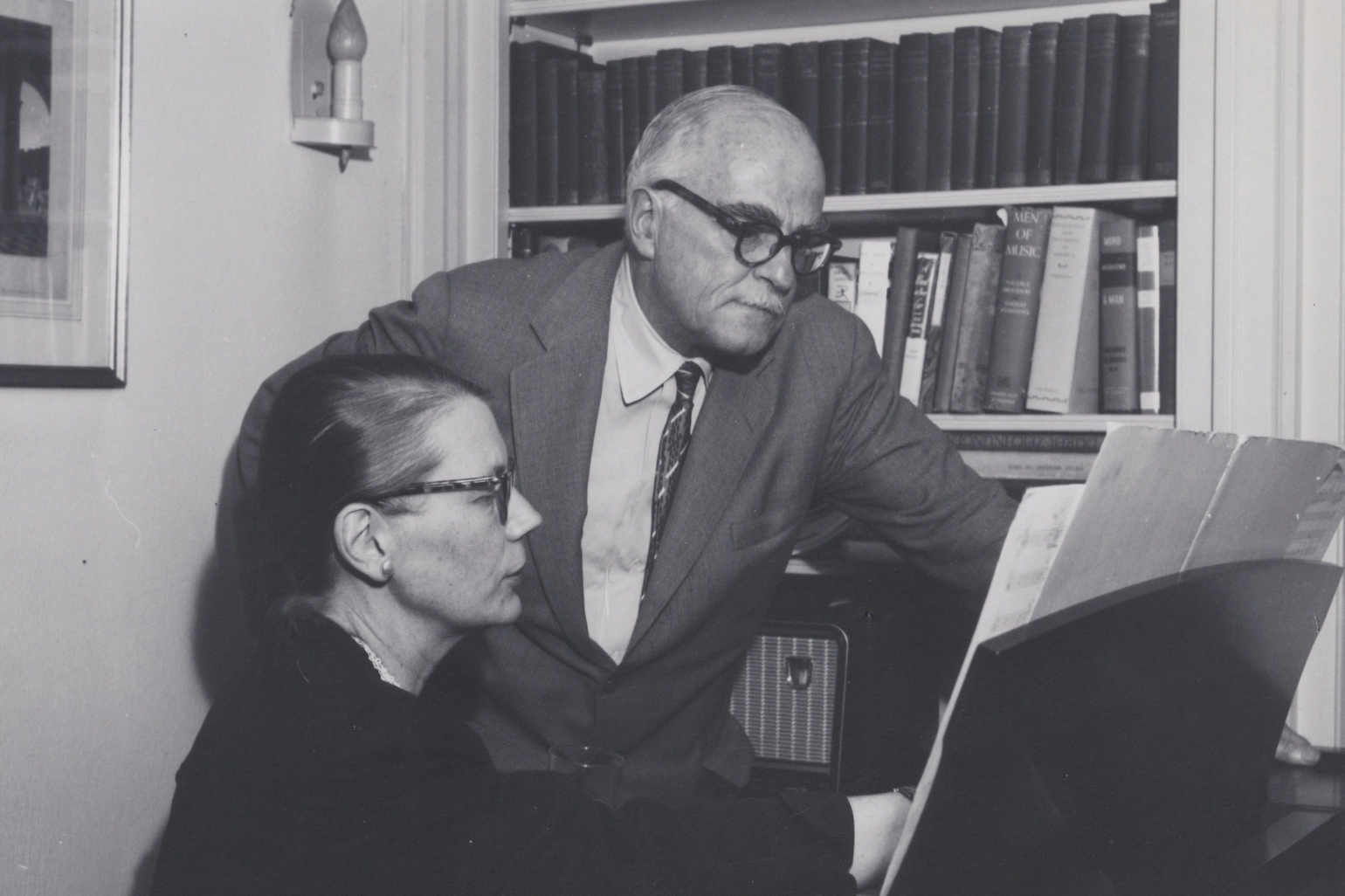
Composed by Louise Talma with Libretto by Thornton Wilder
On March 2, 1962 in Frankfurt, Germany, an enthusiastic audience filled the Alte Oper for the premiere performance of The Alcestiad, the opera, with a libretto by Thornton Wilder and music by American composer Louise Talma, whom Wilder had met at the MacDowell Colony in 1953. This grand opera house had been rebuilt after World War II and was a fitting home for the spectacle of Wilder’s opera, with its large cast and orchestra. Translated into German, the opera starred the great soprano Inge Borkh.
According to Paul Moor in the New York Times, the “gala cosmopolitan audience” that March night gave the premiere performance a twenty-minute standing ovation. Wilder remembered that there were forty curtain calls. He wrote to a friend in March 1962, soon after the premiere, “With our opera we had the damndest experience.” The Alte Oper had given them all they could ask for, he said-fine singers, a “noble conductor” (Harry Buckwitz), unlimited rehearsal hours. The opening night audience loved it. “Then in the next few day[s] the region’s critics: cool to worse. To be expected we were told by the Director: an opera by an American!… by a woman!…by a composer of French background. . . .”
Critics were hard on the opera, especially on Wilder’s libretto, which according to one German critic was too full of “anti-musical text.” Other critics found the twelve-tone music too modern. The opera was playing to full houses, “But, damn it,” Wilder wrote, “those reviews have so far prevented other opera houses from picking it up and a Publishing House from adopting it. Damn, damn, double damn. Anyway it is beautiful music and in time it will be rediscovered.”
It was not until April 3, 1976 that excerpts from the work were performed, this time in English at the Yale School of Music. Alcestis was played by American soprano Phyllis Curtin. The opera was published by Carl Fischer in 1978.